

GREEN WASHING
It's Time to Draw a Red Line around Greenwashing!
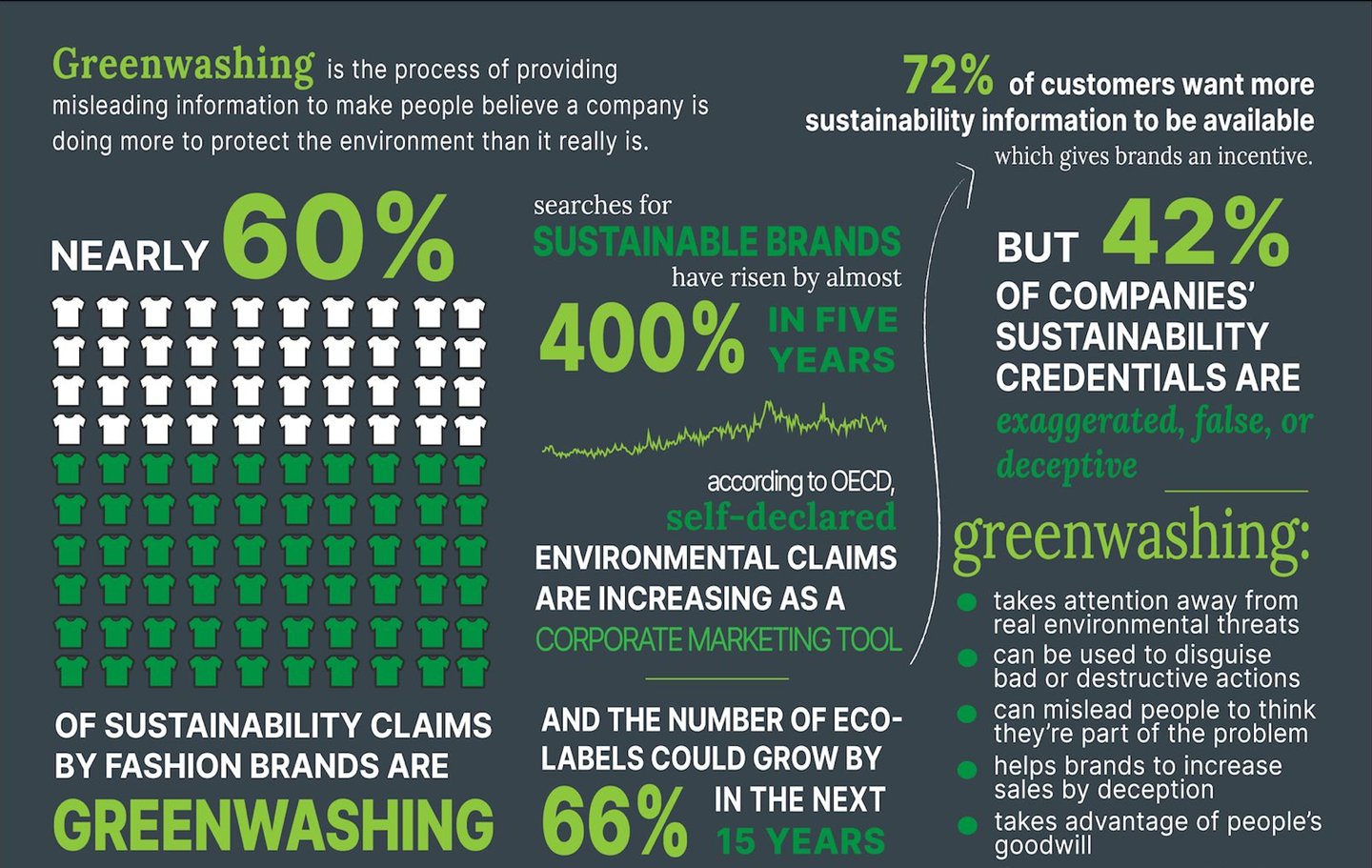

Every corporate boardroom is now talking about going Net Zero and setting SBTI targets. But when you interact with employees and management further down the line, there is often a general lack of awareness about those boardroom targets or timelines. This raises an important question — is the organisation truly serious about reducing carbon emissions, or is it greenwashing for publicity?
At the COP27 climate conference in Egypt, UN Secretary-General António Guterres appointed a High-Level Expert Group to review the integrity of net zero commitments made by non-state entities, including corporations, cities, and regions. The group released 10 recommendations intended to draw a clear red line around greenwashing.
We urgently need every business, investor, city, state and region to walk the talk on their net zero promises. We cannot afford slow movers, fake movers or any form of greenwashing."
— António Guterres, UN Secretary-General

TEN RECOMMENDATIONS OF UNITED NATIONS HIGH-LEVEL EXPERT GROUP ON THE NET ZERO EMISSIONS COMMITMENTS OF NON-STATE ENTITIES

1. Announcing a Net Zero Pledge
A net zero pledge must be a commitment by the entire entity, made in public by the leadership, and be reflective of the city, region or corporation’s fair share of the needed global climate mitigation.
2. Setting Net Zero Targets
A net zero pledge must contain stepping stone targets for every 5 years, and set out concrete ways to reach net zero in line with the Intergovernmental Panel on climate change (IPCC) or International Energy Agency, IEA net zero greenhouse gas emissions (GHG) modelled pathways that limit warming to 1.5°C with no or limited overshoot. The plan must cover the entire value chain of a city, state or business, including end-use emissions. It needs to start fast and not delay action to the last minute, reflecting the fact that global emissions must decline by at least 50% by 2030.
3. Using Voluntary Credits
Non-state actors must prioritise urgent and deep emissions reductions across their value chain. High-integrity carbon credits in voluntary markets may be used for beyond-value-chain mitigation but cannot be counted toward a non-state actor's interim emissions reductions required by its net zero pathway.
4. Creating a Transition Plan
Non-state actors must publicly share comprehensive net zero transition plans detailing how they will meet all targets, align governance and incentive structures, capital expenditure, research and development, skills and human resource development, and public advocacy — while also supporting a just transition.
5. Phasing Out Fossil Fuels and Scaling Up Renewable Energy
City, regional, financial, and business net zero plans must not support new fossil fuel supply. There is no room for new investment in fossil fuel supply, and existing assets must be decommissioned or cancelled.
6. Aligning Lobbying and Advocacy
Non-state actors must lobby for positive climate action — not against it. By working with governments to create strong standards, non-state actors can help build an ambition loop, ensure a level playing field for net zero pledges, de-risk the transition, and maximise the economic benefits of rigorous net zero alignment.
7. People and Nature in the Just Transition
By 2025, businesses, cities, and regions with significant land-use emissions must ensure their operations and supply chains do not contribute to deforestation, peatland loss, or the destruction of natural ecosystems. Financial institutions should adopt a policy of not investing in or financing businesses linked to deforestation, and should eliminate agricultural commodity-driven deforestation from their portfolios.
8. Increasing Transparency and Accountability
Non-state actors must report publicly every year, in detail, on their progress — including greenhouse gas data — in a way that can be compared against their stated baseline. Reports should be independently verified and submitted to the UNFCCC Global Climate Action Portal.
9. Investing in Just Transitions
To achieve net zero globally while ensuring a just transition and sustainable development, financial institutions and multinational corporations must work with governments, Multilateral Development Banks, and Development Finance Institutions to scale up clean energy investments in developing countries.
10. Accelerating the Road to Regulations
Regulators should develop standards and regulations starting with high-impact corporate emitters, including private and state-owned enterprises and financial institutions. Countries should launch a Task Force on Net Zero Regulation to align global economic ground rules with the goals of the Paris Agreement.

Partner with Hi-Tech in your journey to Net Zero….
To The “Real Green”…..
HI-TECH FACILITY ENGINEERS PVT. LTD.
INDUSTRIAL AUTOMATION | IIoT SOLUTIONS | ROBOTICS | ZERO CARBON